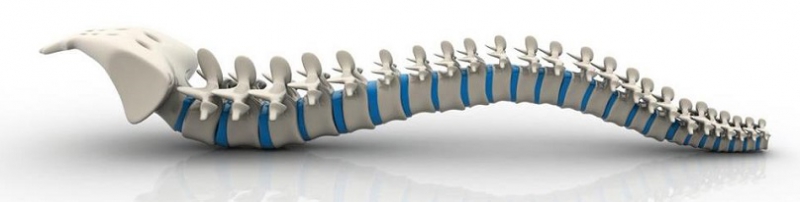
Blog Image

Chiropractic Research

Network Spinal Analysis (NSA)

Discover what NSA can do for you.
The shape, position, tension and tone of your spine is in relation to the shape, position tension and tone of your life.

Chiropractic Adjustments

Uncategorised Posted on Sat, February 28, 2026 17:00:42


Chiropractic adjustments influence brain activity by stimulating afferent signals to key brain centers like the prefrontal cortex, cerebellum, and limbic system. Functional MRI and EEG studies show increased brain coherence and connectivity following chiropractic care. These effects may support cognition, emotional balance, and neurological plasticity.
Chiropractic Care and Brain Activity: Enhancing Brain Function Through Spinal Adjustments
Chiropractic adjustments influence brain activity by increasing the volume and quality of sensory afferent input transmitted from spinal mechanoreceptors to central neural networks, including the prefrontal cortex, cerebellum, and limbic system mdpi.com. Neuroimaging research using functional magnetic resonance imaging and electroencephalography demonstrates that spinal adjustments are associated with measurable changes in brain connectivity, coherence, and regional integration mdpi.com pubmed.ncbi.nlm.nih.gov. These changes reflect activity dependent neuroplasticity in cortical and subcortical circuits responsible for executive function, emotional regulation, sensorimotor integration, and autonomic control. By modulating afferent input to these brain regions, chiropractic care appears to influence central processing efficiency, which may support improvements in cognition, emotional stability, and adaptive neurological function. This evidence suggests that chiropractic care extends beyond pain modulation and can contribute to broader optimization of brain function through identifiable neurophysiological mechanisms.

How Spinal Adjustments Stimulate the Brain
Chiropractic spinal adjustments using high velocity low amplitude thrusts deliver a strong and precise burst of proprioceptive input to the nervous system. Mechanoreceptors within spinal joints and paraspinal muscles generate afferent sensory signals that enter the central nervous system and ascend through spinal and supraspinal pathways mdpi.com. By addressing regions of spinal dysfunction commonly described as subluxations, chiropractic adjustments reduce abnormal afferent signaling and restore more coherent neural communication along ascending and descending pathways. This influx of organized sensory input travels through the spinal cord and modulates activity in multiple cortical and subcortical brain regions. Neurophysiological and brain mapping studies have demonstrated that a single spinal adjustment can produce measurable changes in neural activity within the prefrontal cortex, primary sensory cortex, primary motor cortex, basal ganglia, and cerebellum vbn.aau.dk. These brain regions are directly responsible for executive function, sensory integration, motor planning, coordination, balance, and adaptive behavioral responses, providing a clear mechanistic basis for observed changes in cognitive processing, movement control, and neurological regulation following chiropractic care.

Neurologically, the rapid stretch applied to spinal joints during a chiropractic adjustment generates a concentrated surge of mechanoreceptive afferent input that enters the central nervous system and modulates spinal and supraspinal reflex activity mdpi.com. This influx of sensory information influences interneuronal processing and alters central neural excitability, allowing maladaptive reflex patterns to be reduced or inhibited. By normalizing the quality and timing of sensory signals ascending from the periphery, chiropractic adjustments enable the brain to integrate proprioceptive input with greater accuracy and efficiency. This improved sensory integration enhances coordination between cortical and subcortical centers responsible for perception, movement, and autonomic regulation. Repeated exposure to coherent afferent input supports adaptive neural plasticity, defined as the capacity of neural circuits to reorganize in response to consistent physiological signals. Such plastic changes are fundamental to recovery following neurologic injury and to the preservation of cognitive and sensorimotor function across the lifespan.

EEG Evidence of Chiropractic: Improved Brain Waves and Connectivity
Electroencephalography is one of the most direct objective methods for measuring changes in brain activity because it records brain wave patterns, synchronization, and network coherence across cortical regions. Multiple electroencephalography studies have demonstrated immediate and measurable alterations in cortical activity following chiropractic adjustments, indicating changes in neural processing and interregional communication. These findings suggest that spinal adjustments modify afferent sensory input to the central nervous system, which in turn alters cortical excitability and functional connectivity. The observed improvements in coherence reflect more organized and efficient neural signaling, a state associated with improved sensorimotor integration, cognitive processing, and autonomic regulation. Such rapid electroencephalographic changes provide objective evidence that chiropractic care can influence brain function through neurophysiological mechanisms rather than placebo effects, supporting the concept that spinal input plays a direct role in regulating central neural networks.

A controlled study published in Neural Plasticity demonstrated that chiropractic adjustments enhance sensorimotor integration by modulating cortical processing efficiency. Researchers measured somatosensory evoked potentials before and after spinal adjustments in individuals with minor spinal dysfunction and no major clinical symptoms. Following a single chiropractic adjustment, the amplitude of the N30 somatosensory evoked potential, a neurophysiological marker associated with sensorimotor integration and cortical processing, was reduced by approximately seventeen percent, while no change was observed in the sham control condition vbn.aau.dk. Source localization analysis further identified a reduction of approximately twenty percent in prefrontal cortex activity following the adjustment vbn.aau.dk. This finding indicates that chiropractic adjustments reduce excessive cortical activation, allowing the prefrontal cortex to process sensory input more efficiently. Improved sensorimotor integration at the cortical level provides a clear neurophysiological mechanism through which chiropractic care can support enhanced coordination, attentional control, and neural efficiency by reducing unnecessary cortical noise and optimizing brain network function.

Chiropractic adjustments have been reported to increase electroencephalographic coherence, indicating more synchronized neural activity across distributed brain regions. In a pilot study involving adults with neurodegenerative conditions, a single chiropractic session was associated with increased coherence between the cerebral hemispheres on electroencephalography when compared with baseline measurements pubmed.ncbi.nlm.nih.gov. This finding suggests that spinal adjustments can acutely influence central neural organization by enhancing functional communication between cortical networks. Increased neural coherence reflects improved temporal coordination of brain activity, which is associated with more efficient information processing, clearer cognitive function, and greater autonomic stability. These observations support the physiological mechanism whereby proprioceptive input generated by chiropractic adjustments modulates cortical network dynamics and promotes a more regulated and integrated state of brain function.

Electroencephalographic research examining functional connectivity has identified measurable effects of chiropractic adjustments on large scale brain networks involved in cognition and self regulation. The Default Mode Network is a core neural network responsible for internal mentation, memory integration, and self awareness. In a controlled study involving patients recovering from stroke, electroencephalography was used to assess Default Mode Network connectivity before and after a single chiropractic adjustment. Following the adjustment, researchers observed a significant increase in functional connectivity within the Default Mode Network, specifically demonstrating stronger communication between the posterior cingulate cortex and the hippocampal region mdpi.com. No comparable changes were observed during a sham control session mdpi.com. The strengthened coupling between the posterior cingulate cortex and hippocampus is physiologically meaningful because this neural pathway plays a central role in memory consolidation, spatial orientation, and pain modulation mdpi.com. These findings indicate that chiropractic adjustments can enhance the efficiency and integration of intrinsic brain networks, providing a clear neurophysiological mechanism that aligns with patient reports of improved mental clarity, cognitive focus, and internal awareness following chiropractic care.

In individuals with neurodegenerative conditions including Alzheimer’s disease and Parkinson’s disease, emerging evidence indicates that chiropractic care can acutely influence measurable aspects of brain activity. A 2024 pilot randomized trial evaluated electroencephalographic outcomes in older adults with Alzheimer’s disease and Parkinson’s disease following a single chiropractic adjustment compared with a sham intervention. In participants with Alzheimer’s disease, the N30 somatosensory evoked potential was reduced by approximately fifteen percent after the chiropractic adjustment, reflecting improved sensorimotor integration comparable to responses observed in younger populations pubmed.ncbi.nlm.nih.gov. Across both the Alzheimer’s disease and Parkinson’s disease groups, resting state electroencephalographic power increased across all frequency bands including delta, theta, alpha, and beta following real chiropractic adjustments pubmed.ncbi.nlm.nih.gov. Notably, the intervention produced a documented enhancement in functional connectivity within the Default Mode Network across all frequency bands, an effect not observed in the sham condition pubmed.ncbi.nlm.nih.gov. These findings demonstrate that even in brains affected by neurodegeneration, targeted spinal adjustments can acutely improve neural coordination and network efficiency. Although preliminary and requiring confirmation in larger cohorts, the results suggest that chiropractic adjustments may enhance neural signaling and network integration by modulating sensory input and autonomic regulation, producing measurable improvements in brain function in populations where cognitive preservation and neural efficiency are central clinical goals.

Chiropractic care has been shown to alter central pain processing by modulating how the brain responds to sustained nociceptive input. Chronic pain is associated with measurable changes in cortical and subcortical activity, and electroencephalographic research has examined how spinal adjustments influence these pain related brain responses. In a study using a sustained pain paradigm known as the cold pressor test, investigators compared brain activity following a chiropractic adjustment versus a sham intervention. After the sham condition, participants demonstrated a typical habituation response in which neural activity within pain processing regions diminished with repeated exposure to the painful stimulus. In contrast, following a real chiropractic adjustment, this habituation did not occur, and brain activity within pain related networks remained elevated during the pain challenge nature.com. This preserved neural engagement indicates that chiropractic adjustments modified central pain processing by altering how sensory input was integrated and regulated at the cortical level nature.com. The authors interpreted this finding as evidence that spinal adjustments may enhance antinociceptive mechanisms or improve the efficiency of descending pain inhibitory pathways, thereby changing how pain is centrally perceived and managed nature.com. Clinically, this suggests that chiropractic care may support greater neural resilience to chronic pain by maintaining active and adaptive pain modulation rather than allowing maladaptive dampening of sensory processing, reflecting a broader regulatory effect on brain function beyond the spine itself.

fMRI Evidence: Activation of Key Brain Centers with Chiropractic
Functional magnetic resonance imaging has provided anatomical evidence that chiropractic adjustments produce measurable changes in regional brain activity. By mapping blood oxygen level dependent signals, functional magnetic resonance imaging identifies which neural circuits increase or decrease activity in response to specific sensory inputs. Multiple studies using this modality have demonstrated that spinal adjustments modify activation patterns in cortical and subcortical regions involved in sensorimotor integration, pain modulation, and autonomic regulation. These observed changes occur because high fidelity proprioceptive input generated during an adjustment alters afferent signaling to the brain, which in turn reshapes central processing within defined neural networks. The functional magnetic resonance imaging findings corroborate electroencephalographic results by showing that chiropractic adjustments influence not only the timing and coherence of neural activity but also the spatial organization of brain function, providing convergent evidence that spinal interventions can directly modulate central nervous system activity through identifiable neurophysiological mechanisms.

A longitudinal functional magnetic resonance imaging study in patients with chronic low back pain demonstrated that chiropractic adjustments are associated with increased activation in higher order brain regions involved in cognition, emotion, and pain regulation. After a single chiropractic adjustment, participants exhibited increased activity in the right dorsolateral prefrontal cortex, which supports executive function and working memory, the right parahippocampal gyrus within the limbic system, which contributes to memory encoding and emotional processing, and the left precuneus, a central node of the default mode network involved in self referential processing and integration of sensory information frontiersin.org. When brain activity following a short course of care consisting of six sessions was compared with baseline imaging and a control condition, additional increases in activation were observed in the posterior cingulate cortex, a core hub of the default mode network, and the right inferior frontal gyrus, which plays a critical role in attention regulation and cognitive inhibition frontiersin.org. These regions collectively participate in networks that govern pain perception, emotional regulation, and cognitive appraisal. The observed increases in activity indicate that chiropractic adjustments alter afferent sensory input to the central nervous system, which in turn modulates cortical and limbic processing of pain and internal states. Consistent with these neural changes, patients reported significant reductions in pain intensity and disability, leading the authors to propose that modulation of default mode network activity may serve as a biomarker for the central mechanism underlying chiropractic related pain relief frontiersin.org. This pattern of brain activation provides a neurophysiological explanation for reports of improved mental clarity, mood, and cognitive ease following chiropractic care.

Supporting these observations, a functional magnetic resonance imaging investigation demonstrated that spinal adjustments targeting vertebral subluxations in individuals with experimentally induced acute low back pain produced measurable changes in resting state functional connectivity within central pain processing networks of the brain, accompanied by a reduction in reported pain intensity mdpi.com. The study showed that chiropractic adjustments altered communication patterns between pain related brain regions, and these neurophysiological changes were directly correlated with the individual experiencing less pain mdpi.com. This cause and effect relationship indicates that chiropractic care influences pain perception through central nervous system modulation rather than solely through local spinal mechanisms. By engaging and recalibrating activity within regions such as the anterior cingulate cortex, thalamus, and amygdala, which collectively integrate sensory, emotional, and autonomic components of pain, spinal adjustments promote a reorganization of the brain pain network toward improved regulation, reduced threat perception, and a physiological state associated with relief and parasympathetic dominance.

Functional neuroimaging research has demonstrated normalization of activity within the cerebellum and primary sensory cortex following chiropractic interventions. In one imaging study involving individuals with chronic pain, investigators identified abnormal overactivity within the prefrontal cortex and cerebellum that diminished after a course of spinal adjustments frontiersin.org. The cerebellum plays a central role in motor coordination, balance regulation, and integration of proprioceptive input arising from spinal joints, paraspinal muscles, and peripheral mechanoreceptors. Chiropractic adjustments increase the quality and accuracy of afferent proprioceptive signaling from dysfunctional spinal segments, which directly alters cerebellar input and processing. This enhanced sensorimotor information supports recalibration of cerebellar output to motor and postural control centers, providing a mechanistic explanation for observed improvements in balance, coordination, and movement efficiency following care. Although cerebellar changes are less frequently highlighted than cortical effects in imaging studies, normalization of cerebellar function represents a predictable neurophysiological consequence of restoring spinal afferent integrity and demonstrates an additional pathway through which chiropractic care influences central nervous system activation patterns and sensorimotor regulation.

Evidence from electroencephalography and functional magnetic resonance imaging research converges on the conclusion that chiropractic adjustments produce objective and measurable changes in brain function. These studies demonstrate activation and modulation of both cortical and subcortical regions, strengthening functional connectivity within networks responsible for sensorimotor integration, autonomic regulation, cognitive processing, and pain modulation. Chiropractic adjustments alter how the brain processes sensory input and responds to nociceptive and non nociceptive stimuli, resulting in measurable changes in neural signaling patterns and network efficiency. Importantly, these neurophysiological effects are observed not only in healthy individuals but also in populations with neurological conditions including stroke, Alzheimer’s disease, Parkinson’s disease, and chronic pain disorders. This body of research supports a broader neurobiological model of chiropractic care in which spinal adjustments influence central nervous system organization, plasticity, and adaptive capacity, reframing chiropractic as an intervention that engages brain based mechanisms of regulation, recovery, and functional resilience rather than a procedure limited to mechanical effects on spinal joints.

Cognitive, Emotional, and Neurological Benefits of Chiropractic
The critical clinical question is how observed changes in brain function translate into meaningful daily life and health outcomes. For individuals with neurological challenges, including cognitive decline, residual deficits following stroke, or disturbances in mood regulation, neuroimaging and neurophysiological research suggests that chiropractic care may influence functionally relevant brain networks involved in cognition, emotional regulation, sensorimotor integration, and autonomic balance. By altering afferent input from the spine and improving the accuracy of proprioceptive and interoceptive signaling, chiropractic adjustments can modify central nervous system processing within cortical and subcortical regions that govern attention, executive function, emotional stability, and motor control. These brain based changes provide a plausible mechanistic pathway linking spinal care to improvements in functional capacity, adaptability, and quality of life in individuals affected by neurological impairment.

By increasing neural activity and functional connectivity within the prefrontal cortex and the default mode network, chiropractic adjustments may support clearer cognition and improved executive function. The prefrontal cortex governs attention, decision making, working memory, and integration of complex information, and enhanced activation within this region directly improves cognitive efficiency. Multiple studies have reported improvements in joint position sense, reaction time, and muscle strength following chiropractic adjustments, outcomes that are mechanistically linked to increased cortical drive and more efficient sensorimotor integration vbn.aau.dk. Subjective reports of improved mental clarity commonly described by patients following adjustments are supported by objective neurophysiological findings, including electroencephalography evidence demonstrating an approximately twenty percent increase in prefrontal cortical processing efficiency after chiropractic care vbn.aau.dk. From a functional perspective, individuals with mild cognitive impairment or attentional difficulties may experience improved focus, faster information processing, and enhanced spatial awareness as large scale brain networks become more synchronized following spinal adjustments. Memory related processes may also be supported, as strengthened default mode network connectivity, including increased communication between cingulate and hippocampal regions observed after chiropractic interventions, is associated with episodic memory function mdpi.com. While chiropractic care is not proposed as a cure for dementia or acquired brain injury, these documented neural changes provide a plausible physiological basis for its role as an adjunctive approach to support cognitive performance and potentially slow age related cognitive decline through improved nervous system regulation.

Chiropractic care influences brain regions that overlap with the limbic system, which is centrally involved in emotional regulation, stress processing, and mood stability. Neuroimaging studies demonstrate that spinal adjustments modulate activity within the anterior cingulate cortex and orbitofrontal cortex, regions that integrate emotional appraisal, autonomic regulation, and stress response frontiersin.org. In a clinical trial involving individuals with chronic pain, participants receiving chiropractic care for four weeks experienced not only reductions in pain intensity but also statistically significant decreases in anxiety and depression scores, along with lower levels of perceived stress and fatigue, compared to control groups mdpi.commdpi.com. These psychological improvements occurred alongside electroencephalography findings showing increased alpha wave connectivity within the default mode network following chiropractic interventions mdpi.com. Alpha oscillatory activity is associated with a calm but alert neurophysiological state and is commonly reduced in individuals experiencing anxiety, depression, or persistent pain mdpi.com. By increasing alpha activity and strengthening functional connectivity across frontal and limbic circuits, chiropractic adjustments appear to promote improved emotional balance and autonomic stability. Patients frequently report subjective outcomes such as enhanced relaxation, improved sleep quality, and a greater sense of overall wellbeing following care. Supporting this mechanism, one investigation concluded that many observed benefits of chiropractic care, including pain reduction, sleep improvement, and mood enhancement, are likely mediated by altered patterns of brain activity in response to spinal input mdpi.com. For individuals experiencing mood instability, chronic stress, or emotional dysregulation associated with neurological conditions, chiropractic care offers a drug free approach that supports emotional regulation by enhancing intrinsic nervous system self regulatory capacity.

Chiropractic care may support neuroplasticity and neurological recovery by influencing how the brain adapts and reorganizes in response to injury or dysfunction. Neuroplasticity refers to the capacity of the nervous system to form new synaptic connections and recruit alternative neural pathways in response to altered demands or damage. In conditions such as stroke or traumatic brain injury, functional recovery depends on the brain establishing new patterns of connectivity that compensate for impaired regions. Chiropractic adjustments provide a potent afferent stimulus to the central nervous system, increasing sensory input from spinal and peripheral mechanoreceptors and thereby signaling the brain to update and reorganize its internal models. Objective neurophysiological markers of plastic change have been documented following chiropractic care, including increased functional connectivity within large scale neural networks such as the default mode network and motor networks, along with normalization of sensory processing measures such as the N30 somatosensory evoked potential mdpi.compubmed.ncbi.nlm.nih.gov. In a study involving individuals recovering from stroke, investigators reported that improvements in electroencephalography based connectivity following chiropractic adjustments may underlie previously observed gains in motor performance and pain threshold regulation mdpi.com. These findings suggest that spinal adjustments facilitate the formation of more integrated and efficient motor networks, which directly correlates with improved functional recovery. Even in progressive neurodegenerative conditions such as Parkinson’s disease, interventions that enhance global brain activity and interregional connectivity may help slow functional decline and support quality of life pubmed.ncbi.nlm.nih.gov. By reducing aberrant sensory input and improving the fidelity of nervous system signaling, chiropractic care appears to create a physiological environment that supports adaptive neural reorganization and optimizes the brain’s intrinsic capacity for recovery and compensation.

Chiropractic care exerts measurable effects on autonomic nervous system regulation through its influence on central neural networks involved in stress modulation. The prefrontal cortex plays a critical role in coordinating sympathetic and parasympathetic balance by integrating sensory input with autonomic output. Neurophysiological studies following chiropractic adjustments indicate a shift toward increased parasympathetic activity, accompanied by observable physiological markers of relaxation such as reduced muscle tone, calmer breathing patterns, and improved heart rate variability. This autonomic recalibration directly supports improved cerebral blood flow, modulation of inflammatory signaling, and activation of cellular repair processes within neural tissue. With repeated care, these effects may be reinforced through experience dependent plasticity, effectively training the brain and autonomic nervous system to operate in a more regulated and resilient state. For individuals with neurological conditions, improved autonomic balance may translate into higher energy availability, better sleep quality, enhanced stress tolerance, and a greater capacity to engage in rehabilitation activities and daily functional tasks.

Haavik, H. et al. (2016). Brain source imaging research showing a single spinal manipulation session alters somatosensory processing in the prefrontal cortexvbn.aau.dkvbn.aau.dk.

Waterston, T. et al. (2020). EEG study on stroke patients demonstrating increased alpha-band connectivity in the Default Mode Network after chiropractic adjustmentsmdpi.com.

Yuan, Q. et al. (2020). fMRI longitudinal study in chronic low back pain patients showing enhanced activation in prefrontal, parahippocampal, and cingulate regions after spinal manipulationfrontiersin.orgfrontiersin.org.

Navid, M.S. et al. (2019). Pilot study in Scientific Reports showing altered central pain processing (lack of pain habituation) following chiropractic spinal adjustmentsnature.com.

Navid, M.S. et al. (2024). J. Integrative Neuroscience pilot trial on Alzheimer’s and Parkinson’s patients: 15% reduction in N30 potential and increased DMN connectivity across multiple EEG frequency bands post-adjustmentpubmed.ncbi.nlm.nih.gov.

Gay, C.W. et al. (2021). Resting-state fMRI research noting changes in pain-network connectivity and pain reduction after manual therapy in low back painmdpi.com.

Niazi, I.K. et al. (2020). Study reporting that chiropractic adjustments led to improved inter-hemispheric EEG coherence and sensorimotor integration, supporting better motor controlmdpi.comvbn.aau.dk.

Amjad, I. et al. (2024). Randomized trial on chronic pain patients: chiropractic care produced clinically meaningful improvements in anxiety, depression, fatigue, and sleep, correlating with altered brain functional connectivitymdpi.commdpi.com.

Holt, K. et al. (2019). Research using phase-lag index (PLI) analysis, finding chiropractic care changed how the brain processes tonic pain and suggesting functional reorganization in pain pathwaysmdpi.com.

Lelic, D. et al. (2016). Study in Neural Plasticity concluding that spinal adjustments can induce neural plastic changes in the prefrontal cortex, basal ganglia, and cerebellum, highlighting broad impacts on central nervous system function

Favicon


The Goal of Chiropractic

Uncategorised Posted on Sat, February 28, 2026 16:27:16

The spine is not a column of separate joints.It is a tensioned, fluid-coupled, fascia-integrated, dura-anchored communication organ.That’s not poetry. That’s anatomy, once you account for the structure most chiropractors were never taught to engage directly.It’s called the NeuroSpinal System.The NeuroSpinal System (also known as the Cranio-Spinal Meningeal Functional Unit) includes the brain, spinal cord, and multilayered meningeal system: the pia mater (with its dentate ligaments), the arachnoid space (with its cerebrospinal fluid), and the dura mater, with particular emphasis on where the dura attaches to the movable bony structures of the cranium and spine.This system is not passive. It is active, dynamic, and independently motile.Modern histology has revealed α-SMA-positive myofibroblasts within the meninges, cells that provide intrinsic contractile force. The meningeal system possesses independent contractile motility and is in constant motion, modulating its tone moment to moment as it assesses and responds to tension, movement, and the perception of threat.In 1978, neurosurgeon Alf Breig documented what he called Adverse Mechanical Tension (AMT), a state of aberrant tension in the meningeal system and spinal cord that disturbs neural function even without vertebral displacement. No bone out of place. No compression. Just tension, and it was enough to create interference.More recently, Dr. Heidi Haavik‘s neurophysiological research has demonstrated that neural interference more often stems from tension, distortion, and altered afferent input, not direct compression of nerve roots. Her neuroimaging work shows that chiropractic adjustments produce measurable changes in brain function, including nearly 20% change in prefrontal cortex processing.And here’s the mechanism that makes it persist: when incoming stress exceeds the body’s adaptive capacity, the NeuroSpinal System tightens as an allostatic response. Under sustained stress, TGF-β1 signaling drives fibroblast-to-myofibroblast conversion within the meningeal tissues, creating contractile force that holds Adverse Mechanical Tension long after the original stressor is gone.Because of this dynamic responsiveness, the meningeal system functions as the primary tone setter in the body, governing the global tension patterns that shape adaptability, breath, posture, energy, and regulation.This means vertebral misalignments are secondary compensations to primary tone distortions. The musculoskeletal system organizes itself around a central imbalance. Bones move and hold their positions as a result of core dural and fascial tension.
The goal of the chiropractor is to release that tension and to allow the nervous system to reorganize to a higher level of functioning leading to better health, athletic proformance and greater spinal stability thereby creating a sense of ease. This allows the Relaxation Response to become activated instead of the Fight or Flight Response.

The shape, position, tension and tone of your spine is in relation to the shape, position, tension and tone of your life.


How many visits?

Uncategorised Posted on Fri, February 20, 2026 15:22:29

For chronic low back pain, approximately 12 chiropractic spinal manipulation treatments delivered over a six-week period generally offer the most effective, favorable improvements in pain and disability. While 12 sessions are often considered the optimal “dose” for significant, lasting relief,, some patients may require between 12 and 24 sessions depending on the severity of their condition


How many visits to get the best results?

Uncategorised Posted on Thu, February 19, 2026 19:36:56

Based on research, improvements in brain function, including increased salience network connectivity, can be observed after 

single session of chiropractic spinal adjustment, with more significant, long-term changes typically occurring over 4 weeks of consistent care. www.iinn.com

Key findings regarding chiropractic adjustments, salience network function, and pain relief include:

  • Immediate Brain Changes: A single chiropractic adjustment can alter how the brain processes pain signals. Studies have shown increased connectivity in the salience network and changes in brain activity (Theta, Alpha, Beta waves) after just one session.
  • Optimal Treatment Duration: While immediate effects exist, significant improvements in chronic pain and brain function often require a structured approach. Studies focusing on neuroplasticity and chronic pain management frequently utilize a 4-week treatment period to measure lasting changes.
  • Frequency of Care: For chronic pain and significant neuroplastic changes, a frequency of 2–3 sessions per week for 4-8 weeks (totaling 12+ sessions) is commonly recommended in clinical guidelines.
  • Mechanism of Action: Chiropractic care helps to increase the connectivity of the salience network, allowing it to communicate better with other brain regions involved in pain, emotion, and cognition. This helps to “reset” how the brain processes pain.
  • Specific Improvements: Research on chronic low-back pain patients has shown that increased salience network connectivity is directly associated with reduced pain. www.iinn.com


Science

Uncategorised Posted on Wed, February 18, 2026 15:25:10

https://share.google/z0ibnjQKajuCaePPK


How Chiropractic Care Has A Positive Effect On The Brain

Uncategorised Posted on Wed, February 18, 2026 12:49:31

Chiropractic care influences the brain, particularly in the short term, by enhancing sensory processing, modulating cortical activity, and encouraging neuroplastic changes. By adjusting subluxations (misalignments), chiropractic care alters the afferent input (signals) from the spine to the brain, which can lead to better motor control, balance, and improved cognitive processing.
Research, particularly in neurophysiology, has identified several ways chiropractic impacts the brain:
Transient Modulation of Cortical Activity: Studies have shown that spinal manipulation can transiently—or temporarily—alter the brain’s ability to regulate neuron activity, increasing cortical excitability and improving how the brain processes signals from the body.
Improved Sensorimotor Integration: Adjustments help the brain better process proprioceptive input (the body’s awareness of its position in space). This improves the brain’s ability to integrate sensory input with motor control, leading to better balance, posture, and movement efficiency.
Prefrontal Cortex Stimulation: Research using EEG and fMRI scans has shown that chiropractic adjustments can activate the prefrontal cortex—the brain’s command center for executive functions, including decision-making, memory, attention, and behavior.
Changes in Brain Waves: A 2024 study showed that chiropractic care can lead to significant increases in Theta, Alpha, and Beta brain waves (associated with relaxation, alertness, and focus) and a decrease in Delta waves.
Autonomic System Balancing: Adjustments can help shift the autonomic nervous system from a stressed “fight-or-flight” state to a more relaxed “rest-and-digest” mode.
Neuroplastic Changes: Regular, consistent adjustments help the brain rewire itself, fostering new and healthier neural connections that improve long-term brain-body communication.

how Chiropractic Care influences the transient system in the brain

+6
Chiropractic care influences the brain’s “transient system” (specifically, short-term or immediate neuroplastic changes and sensory processing) by providing a rapid, high-velocity, low-amplitude, controlled force to spinal joints, which corrects “subluxations” or dysfunctional spinal segments. This mechanical adjustment acts as a, “neurological reset,” sending a sudden, concentrated surge of sensory feedback (proprioceptive input) to the central nervous system.
Key Mechanisms of Influence on the Brain’s Transient System:
Immediate Alteration of Brain Activity (Cortical Changes): Research using EEG (electroencephalography) has demonstrated that chiropractic adjustments produce immediate, measurable changes in brain activity,, specifically within 20 minutes to a few hours of treatment, in areas responsible for sensorimotor integration, such as the prefrontal cortex.
Modulation of Somatosensory Evoked Potentials (SEPs): Studies (e.g., Haavik & Murphy) have found a, 15-20% decrease in the amplitude of the N30 SEP peak—an indicator of how the brain processes sensory information—after a single adjustment. This suggests the brain is, receiving clearer, less noisy, and more efficient information from the body.
Improved Sensorimotor Integration: The adjustment helps the brain, better organize its “map” of the body, allowing for improved motor control, better muscle activation, and enhanced coordination,.
Reduced Central Sensitization: By normalizing the input to the brainstem and higher brain centers, adjustments can reduce, “central sensitization”—the tendency for the brain to over-amplify pain signals—thereby, reducing the perception of chronic pain.
Temporary Cortical Excitability: Studies indicate increased, “cortical excitability” and, “intracortical inhibition” after spinal manipulation, which means the brain is, better able to filter and process sensory input efficiently.
Autonomic Shift: Chiropractic adjustments can trigger, a, “shift” in the autonomic nervous system, moving it from a, “sympathetic” (fight-or-flight) state to a more, “parasympathetic” (rest-and-digest) state, which reduces stress.
In short, the transient effect of chiropractic care is a, rapid normalization of brain-body communication, allowing for better “cortical processing” of movement and sensation.


The Science of Chiropractic Care

Uncategorised Posted on Wed, February 18, 2026 12:13:18


Chiropractic adjustments influence brain activity by stimulating afferent signals to key brain centers like the prefrontal cortex, cerebellum, and limbic system. Functional MRI and EEG studies show increased brain coherence and connectivity following chiropractic care. These effects may support cognition, emotional balance, and neurological plasticity.
Chiropractic Care and Brain Activity: Enhancing Brain Function Through Spinal Adjustments
Chiropractic adjustments influence brain activity by increasing the volume and quality of sensory afferent input transmitted from spinal mechanoreceptors to central neural networks, including the prefrontal cortex, cerebellum, and limbic system mdpi.com. Neuroimaging research using functional magnetic resonance imaging and electroencephalography demonstrates that spinal adjustments are associated with measurable changes in brain connectivity, coherence, and regional integration mdpi.com pubmed.ncbi.nlm.nih.gov. These changes reflect activity dependent neuroplasticity in cortical and subcortical circuits responsible for executive function, emotional regulation, sensorimotor integration, and autonomic control. By modulating afferent input to these brain regions, chiropractic care appears to influence central processing efficiency, which may support improvements in cognition, emotional stability, and adaptive neurological function. This evidence suggests that chiropractic care extends beyond pain modulation and can contribute to broader optimization of brain function through identifiable neurophysiological mechanisms.

How Spinal Adjustments Stimulate the Brain
Chiropractic spinal adjustments using high velocity low amplitude thrusts deliver a strong and precise burst of proprioceptive input to the nervous system. Mechanoreceptors within spinal joints and paraspinal muscles generate afferent sensory signals that enter the central nervous system and ascend through spinal and supraspinal pathways mdpi.com. By addressing regions of spinal dysfunction commonly described as subluxations, chiropractic adjustments reduce abnormal afferent signaling and restore more coherent neural communication along ascending and descending pathways. This influx of organized sensory input travels through the spinal cord and modulates activity in multiple cortical and subcortical brain regions. Neurophysiological and brain mapping studies have demonstrated that a single spinal adjustment can produce measurable changes in neural activity within the prefrontal cortex, primary sensory cortex, primary motor cortex, basal ganglia, and cerebellum vbn.aau.dk. These brain regions are directly responsible for executive function, sensory integration, motor planning, coordination, balance, and adaptive behavioral responses, providing a clear mechanistic basis for observed changes in cognitive processing, movement control, and neurological regulation following chiropractic care.

Neurologically, the rapid stretch applied to spinal joints during a chiropractic adjustment generates a concentrated surge of mechanoreceptive afferent input that enters the central nervous system and modulates spinal and supraspinal reflex activity mdpi.com. This influx of sensory information influences interneuronal processing and alters central neural excitability, allowing maladaptive reflex patterns to be reduced or inhibited. By normalizing the quality and timing of sensory signals ascending from the periphery, chiropractic adjustments enable the brain to integrate proprioceptive input with greater accuracy and efficiency. This improved sensory integration enhances coordination between cortical and subcortical centers responsible for perception, movement, and autonomic regulation. Repeated exposure to coherent afferent input supports adaptive neural plasticity, defined as the capacity of neural circuits to reorganize in response to consistent physiological signals. Such plastic changes are fundamental to recovery following neurologic injury and to the preservation of cognitive and sensorimotor function across the lifespan.

EEG Evidence of Chiropractic: Improved Brain Waves and Connectivity
Electroencephalography is one of the most direct objective methods for measuring changes in brain activity because it records brain wave patterns, synchronization, and network coherence across cortical regions. Multiple electroencephalography studies have demonstrated immediate and measurable alterations in cortical activity following chiropractic adjustments, indicating changes in neural processing and interregional communication. These findings suggest that spinal adjustments modify afferent sensory input to the central nervous system, which in turn alters cortical excitability and functional connectivity. The observed improvements in coherence reflect more organized and efficient neural signaling, a state associated with improved sensorimotor integration, cognitive processing, and autonomic regulation. Such rapid electroencephalographic changes provide objective evidence that chiropractic care can influence brain function through neurophysiological mechanisms rather than placebo effects, supporting the concept that spinal input plays a direct role in regulating central neural networks.

A controlled study published in Neural Plasticity demonstrated that chiropractic adjustments enhance sensorimotor integration by modulating cortical processing efficiency. Researchers measured somatosensory evoked potentials before and after spinal adjustments in individuals with minor spinal dysfunction and no major clinical symptoms. Following a single chiropractic adjustment, the amplitude of the N30 somatosensory evoked potential, a neurophysiological marker associated with sensorimotor integration and cortical processing, was reduced by approximately seventeen percent, while no change was observed in the sham control condition vbn.aau.dk. Source localization analysis further identified a reduction of approximately twenty percent in prefrontal cortex activity following the adjustment vbn.aau.dk. This finding indicates that chiropractic adjustments reduce excessive cortical activation, allowing the prefrontal cortex to process sensory input more efficiently. Improved sensorimotor integration at the cortical level provides a clear neurophysiological mechanism through which chiropractic care can support enhanced coordination, attentional control, and neural efficiency by reducing unnecessary cortical noise and optimizing brain network function.

Chiropractic adjustments have been reported to increase electroencephalographic coherence, indicating more synchronized neural activity across distributed brain regions. In a pilot study involving adults with neurodegenerative conditions, a single chiropractic session was associated with increased coherence between the cerebral hemispheres on electroencephalography when compared with baseline measurements pubmed.ncbi.nlm.nih.gov. This finding suggests that spinal adjustments can acutely influence central neural organization by enhancing functional communication between cortical networks. Increased neural coherence reflects improved temporal coordination of brain activity, which is associated with more efficient information processing, clearer cognitive function, and greater autonomic stability. These observations support the physiological mechanism whereby proprioceptive input generated by chiropractic adjustments modulates cortical network dynamics and promotes a more regulated and integrated state of brain function.

Electroencephalographic research examining functional connectivity has identified measurable effects of chiropractic adjustments on large scale brain networks involved in cognition and self regulation. The Default Mode Network is a core neural network responsible for internal mentation, memory integration, and self awareness. In a controlled study involving patients recovering from stroke, electroencephalography was used to assess Default Mode Network connectivity before and after a single chiropractic adjustment. Following the adjustment, researchers observed a significant increase in functional connectivity within the Default Mode Network, specifically demonstrating stronger communication between the posterior cingulate cortex and the hippocampal region mdpi.com. No comparable changes were observed during a sham control session mdpi.com. The strengthened coupling between the posterior cingulate cortex and hippocampus is physiologically meaningful because this neural pathway plays a central role in memory consolidation, spatial orientation, and pain modulation mdpi.com. These findings indicate that chiropractic adjustments can enhance the efficiency and integration of intrinsic brain networks, providing a clear neurophysiological mechanism that aligns with patient reports of improved mental clarity, cognitive focus, and internal awareness following chiropractic care.

In individuals with neurodegenerative conditions including Alzheimer’s disease and Parkinson’s disease, emerging evidence indicates that chiropractic care can acutely influence measurable aspects of brain activity. A 2024 pilot randomized trial evaluated electroencephalographic outcomes in older adults with Alzheimer’s disease and Parkinson’s disease following a single chiropractic adjustment compared with a sham intervention. In participants with Alzheimer’s disease, the N30 somatosensory evoked potential was reduced by approximately fifteen percent after the chiropractic adjustment, reflecting improved sensorimotor integration comparable to responses observed in younger populations pubmed.ncbi.nlm.nih.gov. Across both the Alzheimer’s disease and Parkinson’s disease groups, resting state electroencephalographic power increased across all frequency bands including delta, theta, alpha, and beta following real chiropractic adjustments pubmed.ncbi.nlm.nih.gov. Notably, the intervention produced a documented enhancement in functional connectivity within the Default Mode Network across all frequency bands, an effect not observed in the sham condition pubmed.ncbi.nlm.nih.gov. These findings demonstrate that even in brains affected by neurodegeneration, targeted spinal adjustments can acutely improve neural coordination and network efficiency. Although preliminary and requiring confirmation in larger cohorts, the results suggest that chiropractic adjustments may enhance neural signaling and network integration by modulating sensory input and autonomic regulation, producing measurable improvements in brain function in populations where cognitive preservation and neural efficiency are central clinical goals.

Chiropractic care has been shown to alter central pain processing by modulating how the brain responds to sustained nociceptive input. Chronic pain is associated with measurable changes in cortical and subcortical activity, and electroencephalographic research has examined how spinal adjustments influence these pain related brain responses. In a study using a sustained pain paradigm known as the cold pressor test, investigators compared brain activity following a chiropractic adjustment versus a sham intervention. After the sham condition, participants demonstrated a typical habituation response in which neural activity within pain processing regions diminished with repeated exposure to the painful stimulus. In contrast, following a real chiropractic adjustment, this habituation did not occur, and brain activity within pain related networks remained elevated during the pain challenge nature.com. This preserved neural engagement indicates that chiropractic adjustments modified central pain processing by altering how sensory input was integrated and regulated at the cortical level nature.com. The authors interpreted this finding as evidence that spinal adjustments may enhance antinociceptive mechanisms or improve the efficiency of descending pain inhibitory pathways, thereby changing how pain is centrally perceived and managed nature.com. Clinically, this suggests that chiropractic care may support greater neural resilience to chronic pain by maintaining active and adaptive pain modulation rather than allowing maladaptive dampening of sensory processing, reflecting a broader regulatory effect on brain function beyond the spine itself.

fMRI Evidence: Activation of Key Brain Centers with Chiropractic
Functional magnetic resonance imaging has provided anatomical evidence that chiropractic adjustments produce measurable changes in regional brain activity. By mapping blood oxygen level dependent signals, functional magnetic resonance imaging identifies which neural circuits increase or decrease activity in response to specific sensory inputs. Multiple studies using this modality have demonstrated that spinal adjustments modify activation patterns in cortical and subcortical regions involved in sensorimotor integration, pain modulation, and autonomic regulation. These observed changes occur because high fidelity proprioceptive input generated during an adjustment alters afferent signaling to the brain, which in turn reshapes central processing within defined neural networks. The functional magnetic resonance imaging findings corroborate electroencephalographic results by showing that chiropractic adjustments influence not only the timing and coherence of neural activity but also the spatial organization of brain function, providing convergent evidence that spinal interventions can directly modulate central nervous system activity through identifiable neurophysiological mechanisms.

A longitudinal functional magnetic resonance imaging study in patients with chronic low back pain demonstrated that chiropractic adjustments are associated with increased activation in higher order brain regions involved in cognition, emotion, and pain regulation. After a single chiropractic adjustment, participants exhibited increased activity in the right dorsolateral prefrontal cortex, which supports executive function and working memory, the right parahippocampal gyrus within the limbic system, which contributes to memory encoding and emotional processing, and the left precuneus, a central node of the default mode network involved in self referential processing and integration of sensory information frontiersin.org. When brain activity following a short course of care consisting of six sessions was compared with baseline imaging and a control condition, additional increases in activation were observed in the posterior cingulate cortex, a core hub of the default mode network, and the right inferior frontal gyrus, which plays a critical role in attention regulation and cognitive inhibition frontiersin.org. These regions collectively participate in networks that govern pain perception, emotional regulation, and cognitive appraisal. The observed increases in activity indicate that chiropractic adjustments alter afferent sensory input to the central nervous system, which in turn modulates cortical and limbic processing of pain and internal states. Consistent with these neural changes, patients reported significant reductions in pain intensity and disability, leading the authors to propose that modulation of default mode network activity may serve as a biomarker for the central mechanism underlying chiropractic related pain relief frontiersin.org. This pattern of brain activation provides a neurophysiological explanation for reports of improved mental clarity, mood, and cognitive ease following chiropractic care.

Supporting these observations, a functional magnetic resonance imaging investigation demonstrated that spinal adjustments targeting vertebral subluxations in individuals with experimentally induced acute low back pain produced measurable changes in resting state functional connectivity within central pain processing networks of the brain, accompanied by a reduction in reported pain intensity mdpi.com. The study showed that chiropractic adjustments altered communication patterns between pain related brain regions, and these neurophysiological changes were directly correlated with the individual experiencing less pain mdpi.com. This cause and effect relationship indicates that chiropractic care influences pain perception through central nervous system modulation rather than solely through local spinal mechanisms. By engaging and recalibrating activity within regions such as the anterior cingulate cortex, thalamus, and amygdala, which collectively integrate sensory, emotional, and autonomic components of pain, spinal adjustments promote a reorganization of the brain pain network toward improved regulation, reduced threat perception, and a physiological state associated with relief and parasympathetic dominance.

Functional neuroimaging research has demonstrated normalization of activity within the cerebellum and primary sensory cortex following chiropractic interventions. In one imaging study involving individuals with chronic pain, investigators identified abnormal overactivity within the prefrontal cortex and cerebellum that diminished after a course of spinal adjustments frontiersin.org. The cerebellum plays a central role in motor coordination, balance regulation, and integration of proprioceptive input arising from spinal joints, paraspinal muscles, and peripheral mechanoreceptors. Chiropractic adjustments increase the quality and accuracy of afferent proprioceptive signaling from dysfunctional spinal segments, which directly alters cerebellar input and processing. This enhanced sensorimotor information supports recalibration of cerebellar output to motor and postural control centers, providing a mechanistic explanation for observed improvements in balance, coordination, and movement efficiency following care. Although cerebellar changes are less frequently highlighted than cortical effects in imaging studies, normalization of cerebellar function represents a predictable neurophysiological consequence of restoring spinal afferent integrity and demonstrates an additional pathway through which chiropractic care influences central nervous system activation patterns and sensorimotor regulation.

Evidence from electroencephalography and functional magnetic resonance imaging research converges on the conclusion that chiropractic adjustments produce objective and measurable changes in brain function. These studies demonstrate activation and modulation of both cortical and subcortical regions, strengthening functional connectivity within networks responsible for sensorimotor integration, autonomic regulation, cognitive processing, and pain modulation. Chiropractic adjustments alter how the brain processes sensory input and responds to nociceptive and non nociceptive stimuli, resulting in measurable changes in neural signaling patterns and network efficiency. Importantly, these neurophysiological effects are observed not only in healthy individuals but also in populations with neurological conditions including stroke, Alzheimer’s disease, Parkinson’s disease, and chronic pain disorders. This body of research supports a broader neurobiological model of chiropractic care in which spinal adjustments influence central nervous system organization, plasticity, and adaptive capacity, reframing chiropractic as an intervention that engages brain based mechanisms of regulation, recovery, and functional resilience rather than a procedure limited to mechanical effects on spinal joints.

Cognitive, Emotional, and Neurological Benefits of Chiropractic
The critical clinical question is how observed changes in brain function translate into meaningful daily life and health outcomes. For individuals with neurological challenges, including cognitive decline, residual deficits following stroke, or disturbances in mood regulation, neuroimaging and neurophysiological research suggests that chiropractic care may influence functionally relevant brain networks involved in cognition, emotional regulation, sensorimotor integration, and autonomic balance. By altering afferent input from the spine and improving the accuracy of proprioceptive and interoceptive signaling, chiropractic adjustments can modify central nervous system processing within cortical and subcortical regions that govern attention, executive function, emotional stability, and motor control. These brain based changes provide a plausible mechanistic pathway linking spinal care to improvements in functional capacity, adaptability, and quality of life in individuals affected by neurological impairment.

By increasing neural activity and functional connectivity within the prefrontal cortex and the default mode network, chiropractic adjustments may support clearer cognition and improved executive function. The prefrontal cortex governs attention, decision making, working memory, and integration of complex information, and enhanced activation within this region directly improves cognitive efficiency. Multiple studies have reported improvements in joint position sense, reaction time, and muscle strength following chiropractic adjustments, outcomes that are mechanistically linked to increased cortical drive and more efficient sensorimotor integration vbn.aau.dk. Subjective reports of improved mental clarity commonly described by patients following adjustments are supported by objective neurophysiological findings, including electroencephalography evidence demonstrating an approximately twenty percent increase in prefrontal cortical processing efficiency after chiropractic care vbn.aau.dk. From a functional perspective, individuals with mild cognitive impairment or attentional difficulties may experience improved focus, faster information processing, and enhanced spatial awareness as large scale brain networks become more synchronized following spinal adjustments. Memory related processes may also be supported, as strengthened default mode network connectivity, including increased communication between cingulate and hippocampal regions observed after chiropractic interventions, is associated with episodic memory function mdpi.com. While chiropractic care is not proposed as a cure for dementia or acquired brain injury, these documented neural changes provide a plausible physiological basis for its role as an adjunctive approach to support cognitive performance and potentially slow age related cognitive decline through improved nervous system regulation.

Chiropractic care influences brain regions that overlap with the limbic system, which is centrally involved in emotional regulation, stress processing, and mood stability. Neuroimaging studies demonstrate that spinal adjustments modulate activity within the anterior cingulate cortex and orbitofrontal cortex, regions that integrate emotional appraisal, autonomic regulation, and stress response frontiersin.org. In a clinical trial involving individuals with chronic pain, participants receiving chiropractic care for four weeks experienced not only reductions in pain intensity but also statistically significant decreases in anxiety and depression scores, along with lower levels of perceived stress and fatigue, compared to control groups mdpi.commdpi.com. These psychological improvements occurred alongside electroencephalography findings showing increased alpha wave connectivity within the default mode network following chiropractic interventions mdpi.com. Alpha oscillatory activity is associated with a calm but alert neurophysiological state and is commonly reduced in individuals experiencing anxiety, depression, or persistent pain mdpi.com. By increasing alpha activity and strengthening functional connectivity across frontal and limbic circuits, chiropractic adjustments appear to promote improved emotional balance and autonomic stability. Patients frequently report subjective outcomes such as enhanced relaxation, improved sleep quality, and a greater sense of overall wellbeing following care. Supporting this mechanism, one investigation concluded that many observed benefits of chiropractic care, including pain reduction, sleep improvement, and mood enhancement, are likely mediated by altered patterns of brain activity in response to spinal input mdpi.com. For individuals experiencing mood instability, chronic stress, or emotional dysregulation associated with neurological conditions, chiropractic care offers a drug free approach that supports emotional regulation by enhancing intrinsic nervous system self regulatory capacity.

Chiropractic care may support neuroplasticity and neurological recovery by influencing how the brain adapts and reorganizes in response to injury or dysfunction. Neuroplasticity refers to the capacity of the nervous system to form new synaptic connections and recruit alternative neural pathways in response to altered demands or damage. In conditions such as stroke or traumatic brain injury, functional recovery depends on the brain establishing new patterns of connectivity that compensate for impaired regions. Chiropractic adjustments provide a potent afferent stimulus to the central nervous system, increasing sensory input from spinal and peripheral mechanoreceptors and thereby signaling the brain to update and reorganize its internal models. Objective neurophysiological markers of plastic change have been documented following chiropractic care, including increased functional connectivity within large scale neural networks such as the default mode network and motor networks, along with normalization of sensory processing measures such as the N30 somatosensory evoked potential mdpi.compubmed.ncbi.nlm.nih.gov. In a study involving individuals recovering from stroke, investigators reported that improvements in electroencephalography based connectivity following chiropractic adjustments may underlie previously observed gains in motor performance and pain threshold regulation mdpi.com. These findings suggest that spinal adjustments facilitate the formation of more integrated and efficient motor networks, which directly correlates with improved functional recovery. Even in progressive neurodegenerative conditions such as Parkinson’s disease, interventions that enhance global brain activity and interregional connectivity may help slow functional decline and support quality of life pubmed.ncbi.nlm.nih.gov. By reducing aberrant sensory input and improving the fidelity of nervous system signaling, chiropractic care appears to create a physiological environment that supports adaptive neural reorganization and optimizes the brain’s intrinsic capacity for recovery and compensation.

Chiropractic care exerts measurable effects on autonomic nervous system regulation through its influence on central neural networks involved in stress modulation. The prefrontal cortex plays a critical role in coordinating sympathetic and parasympathetic balance by integrating sensory input with autonomic output. Neurophysiological studies following chiropractic adjustments indicate a shift toward increased parasympathetic activity, accompanied by observable physiological markers of relaxation such as reduced muscle tone, calmer breathing patterns, and improved heart rate variability. This autonomic recalibration directly supports improved cerebral blood flow, modulation of inflammatory signaling, and activation of cellular repair processes within neural tissue. With repeated care, these effects may be reinforced through experience dependent plasticity, effectively training the brain and autonomic nervous system to operate in a more regulated and resilient state. For individuals with neurological conditions, improved autonomic balance may translate into higher energy availability, better sleep quality, enhanced stress tolerance, and a greater capacity to engage in rehabilitation activities and daily functional tasks.

Haavik, H. et al. (2016). Brain source imaging research showing a single spinal manipulation session alters somatosensory processing in the prefrontal cortexvbn.aau.dkvbn.aau.dk.

Waterston, T. et al. (2020). EEG study on stroke patients demonstrating increased alpha-band connectivity in the Default Mode Network after chiropractic adjustmentsmdpi.com.

Yuan, Q. et al. (2020). fMRI longitudinal study in chronic low back pain patients showing enhanced activation in prefrontal, parahippocampal, and cingulate regions after spinal manipulationfrontiersin.orgfrontiersin.org.

Navid, M.S. et al. (2019). Pilot study in Scientific Reports showing altered central pain processing (lack of pain habituation) following chiropractic spinal adjustmentsnature.com.

Navid, M.S. et al. (2024). J. Integrative Neuroscience pilot trial on Alzheimer’s and Parkinson’s patients: 15% reduction in N30 potential and increased DMN connectivity across multiple EEG frequency bands post-adjustmentpubmed.ncbi.nlm.nih.gov.

Gay, C.W. et al. (2021). Resting-state fMRI research noting changes in pain-network connectivity and pain reduction after manual therapy in low back painmdpi.com.

Niazi, I.K. et al. (2020). Study reporting that chiropractic adjustments led to improved inter-hemispheric EEG coherence and sensorimotor integration, supporting better motor controlmdpi.comvbn.aau.dk.

Amjad, I. et al. (2024). Randomized trial on chronic pain patients: chiropractic care produced clinically meaningful improvements in anxiety, depression, fatigue, and sleep, correlating with altered brain functional connectivitymdpi.commdpi.com.

Holt, K. et al. (2019). Research using phase-lag index (PLI) analysis, finding chiropractic care changed how the brain processes tonic pain and suggesting functional reorganization in pain pathwaysmdpi.com.

Lelic, D. et al. (2016). Study in Neural Plasticity concluding that spinal adjustments can induce neural plastic changes in the prefrontal cortex, basal ganglia, and cerebellum, highlighting broad impacts on central nervous system function


Benefits of Long Term Chiropractic Care

Uncategorised Posted on Thu, February 12, 2026 09:06:45

https://journals.plos.org/plosone/article?id=10.1371%2Fjournal.pone.0338730&fbclid=Iwb21leAP6aNNjbGNrA_poOmV4dG4DYWVtAjExAHNydGMGYXBwX2lkDDM1MDY4NTUzMTcyOAABHmHzjQzPM2Y2wIbLe6XBfo4IPgNeihx0n_FiRZbNw0Qdu4vBqJfR22ZIHJnP_aem_DCbqks32o92XB3i7h5Tt3Q


Next »